
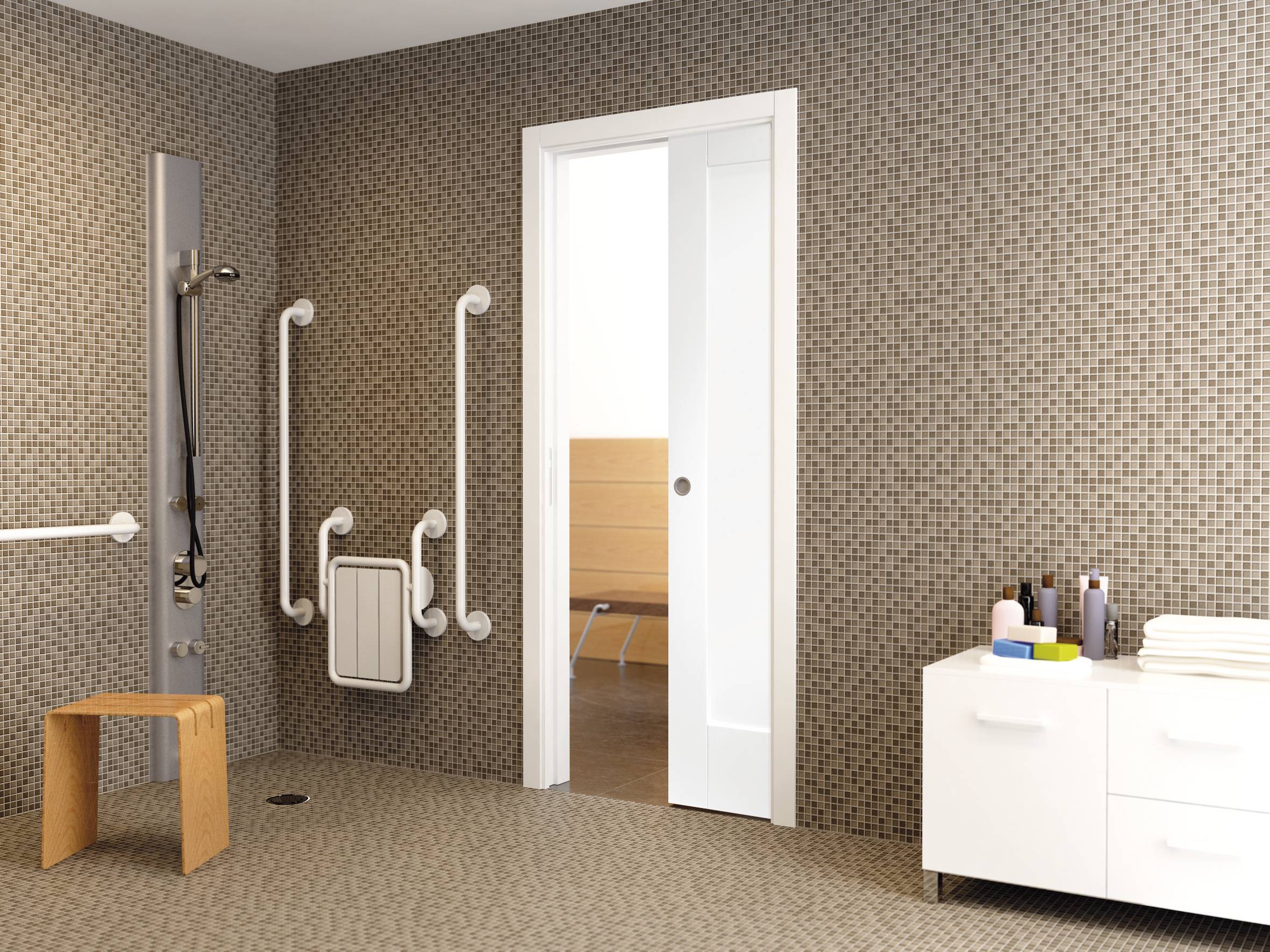
Are you struggling to make the most of your limited square footage while maintaining style? Pocket door hardware offers a space-saving solution that doesn’t compromise on quality or esthetics.
When designing smaller rooms, offices, or even storage units, traditional swinging doors can eat up valuable floor space. However, our range of pocket door hardware comes in five stunning finishes: Aged Brass, Matt Bronze, Polished Chrome, Satin Brass, and Satin Nickel, making them suitable for both contemporary and traditional decor. Whether you’re considering soft close pocket door hardware for a smooth operation, pocket door locking hardware for privacy, or double pocket door hardware for larger openings, these mechanisms are chic and compact. Not only do they help maximize available space, but they also create a large, open-concept feel.
In this guide, we’ll walk you through everything you need to know about selecting, installing, and maintaining the perfect pocket door system for your home. From understanding the basics to choosing the right components, we’ve got you covered with practical advice that will save you time and prevent costly mistakes.
Understanding Pocket Door Hardware
Understanding the inner workings of pocket door systems transforms a simple home improvement project into a space-maximizing solution. Let’s explore what makes these clever doors tick.
What is pocket door hardware?
Pocket door hardware encompasses all components that enable a sliding door to disappear into a wall cavity. These essential elements work together to create a seamless sliding action while maintaining the door’s stability and functionality [1].
The fundamental components of pocket door hardware include:
- Track and roller systems: Overhead tracks with precision-engineered aluminum channels support the door via brackets attached to rollers, allowing smooth horizontal movement [1].
- Flush pulls and edge pulls: Recessed handles that sit flush with the door’s surface, preventing interference with the door jamb when sliding [1].
- Locks and latches: Specialized hook deadlocks that remain flush when not in use but provide security when engaged [1].
- Framework: The structural support system that creates the wall cavity or “pocket” where the door retracts [1].
Unlike traditional door hardware, pocket door components must maintain a low profile to allow the door to slide completely into the wall cavity. Furthermore, quality pocket door hardware kits come with preassembled track headers and necessary components for installation, making them accessible even for DIY projects [2].
How pocket doors differ from traditional doors
The fundamental difference lies in their movement. Traditional hinged doors swing on a pivot point, whereas pocket doors slide horizontally along a track. This distinct operation creates several notable differences:
First, pocket doors save approximately ten square feet of floor space that would otherwise be occupied by a hinged door’s swing arc [1]. This space-saving quality makes them particularly valuable in smaller homes or apartments.
Second, pocket doors offer improved accessibility. The absence of a hinged connection means slightly wider door openings when fully open. Additionally, since pocket doors are hung from above without floor rails, they eliminate potential trip hazards and obstacles for wheelchair users or people with limited mobility [3].
Third, modern pocket door hardware often features soft-close mechanisms that connect with hangers and fit within the track. Upon opening or closing, these dampers gently guide the door into position, preventing slamming—a feature rarely found in traditional doors [2].
Nevertheless, pocket doors present unique challenges. Since their hardware is concealed within the wall, repairs can be more challenging when issues arise [1]. Therefore, investing in high-quality pocket door hardware is essential for long-term reliability.
Where pocket doors are commonly used
Given their space-efficiency, pocket doors have found applications throughout modern homes and commercial spaces:
Primarily, they excel in areas where space is limited, such as small bathrooms, ensuite bathrooms, and downstairs WCs [4]. The space saved by eliminating a swinging door can make compact rooms feel significantly larger.
Kitchen-dining areas frequently benefit from pocket doors, particularly double pocket hardware systems that allow for flexible living arrangements. When open, these doors create an open-plan feel; when closed, they efficiently separate cooking noises and odors [5].
Additional common applications include:
- Utility rooms and laundry areas
- Walk-in wardrobes and closets
- Home offices and study areas
- Disability access areas where maneuverability is crucial [2]
In commercial settings, pocket doors create flexible spaces for exhibitions or meetings and can transform otherwise redundant areas into functional offices, especially when using glass pocket doors to maximize light [6].
Indeed, these versatile doors continue to gain popularity in contemporary design while maintaining their historical charm, having been particularly common in Victorian homes for closing off sitting rooms and dens [1].
Types of Pocket Door Hardware You Need

Image Source: Amazon.ca
Selecting the right hardware components ensures your pocket door operates smoothly for years to come. Each piece serves a specific function in creating a reliable, user-friendly sliding door system.
Flush pulls and edge pulls
Pocket door accessibility begins with properly designed pulls. Flush pulls are recessed handles that sit level with the door’s surface, allowing the door to slide completely into the wall cavity without obstruction. These come in various styles including round, square, and half-moon designs to match your interior esthetics.
Edge pulls solve a common pocket door problem—how to grip the door when it’s fully retracted into the wall. These clever mechanisms are morticed into the edge of the door with a finger pull section that retracts on a spring, allowing your door to close completely [7]. Most quality edge pulls feature:
- Retractable levers for enhanced grip
- Spring-loaded mechanisms for smooth operation
- Various finishes to coordinate with other hardware
- Fixing centers typically around 105mm [7]
For optimal functionality, many homeowners install both a flush pull and an edge pull to make opening the door easier regardless of position [8].
Soft close pocket door hardware
Much like kitchen cabinets with soft-close features, modern pocket door hardware often includes dual soft-close mechanisms that gently guide the door into both open and closed positions [9]. This prevents slamming and bouncing, extending the lifespan of your entire door system.
Soft-close systems connect with the door hangers and fit within the track. Once triggered, they take over the door’s movement, bringing it to a controlled stop [10]. This feature is primarily beneficial for heavier doors weighing up to 120kg and significantly reduces wear and tear on the entire system [9]. Many manufacturers now include soft-close options in their pocket door kits, with some systems offering automatic reset capabilities if the mechanism disengages [10].
Pocket door locking hardware
Unlike traditional swing doors, pocket doors require specialized locking mechanisms. Standard pocket door locks use hook-shaped latches rather than straight bolts to secure the door [11]. When engaged, these hooks reach out and catch the strike plate, pulling the door and frame tightly together.
Privacy locks for bathrooms and bedrooms typically feature thumb-turns on one side and emergency release mechanisms on the other—usually accessed with a coin for quick entry if needed [12]. These locks remain flush with the door when not in use, maintaining the streamlined profile essential for pocket doors.
Track and roller systems
At the core of every pocket door is its track and roller system. Quality tracks are typically constructed from precision-engineered aluminum, supporting door weights up to 120kg [9]. The door attaches to the track via brackets connected to wheeled rollers or “hangers,” allowing smooth horizontal movement.
Premium track systems offer adjustability in three directions—horizontal, vertical, and lateral—ensuring proper door alignment even in imperfect wall cavities [13]. Notably, some manufacturers design tracks that can be extracted for maintenance without breaking into the wall, a significant advantage for long-term serviceability [1].
Double pocket door hardware kits
For larger openings between rooms, double pocket door hardware kits provide an elegant solution. These systems allow two doors to slide into opposite wall cavities, creating a wide, unobstructed opening when both doors are retracted [1].
Double pocket door installations require special considerations. For instance, when installing double systems, timber headers must butt together and be soffit-fixed to the overhead lintel [1]. Moreover, for simultaneous action kits, moving one door causes the other to open or close at the same time, creating a synchronized effect [1].
Many manufacturers test their pocket door hardware through rigorous cycling tests—often up to 100,000 cycles, equivalent to approximately 25 years of average use—and offer extended warranties as a result [1].
How to Choose the Right Pocket Door Hardware
Precise measurements and careful assessment form the foundation of selecting appropriate pocket door hardware. Before purchasing, take time to evaluate your specific needs and space constraints.
Measure door size and weight
First and foremost, accurate measurements determine which pocket door hardware kit will fit your space. Measure both the door’s width and thickness—standard pocket doors typically range from 35mm to 44mm thick [14]. The finished wall thickness directly impacts your hardware selection, with common options being 95mm, 100mm, 115mm, and 125mm [15].
Door weight is equally crucial because different hardware systems have specific weight capacities. For doors exceeding 80kg, you’ll need reinforced hardware [14]. If unsure about your door’s weight, use this formula for estimation:
- Identify your material density (MDF: 0.8, Particle Board: 0.7, Plywood: 0.6, Glass: 2.5) [16]
- Measure door dimensions in millimeters
- Multiply dimensions with density to calculate weight
Match hardware to door material
The door’s material fundamentally influences your hardware selection. Wood doors require different fittings than glass or metal options [17]. Primarily, ensure the hardware can support your specific door type.
Importantly, rooms with high moisture levels such as bathrooms demand water-resistant hardware—stainless steel and chrome typically offer superior performance in these environments [18]. Additionally, consider matching the hardware finish to your interior’s esthetic for a cohesive look.
Consider privacy and locking needs
Privacy requirements vary by location. Bathrooms and bedrooms typically need specialized locking mechanisms. Turn-and-release locks provide an ideal balance—securing the door from inside while allowing emergency access from outside [19].
Unlike traditional locks, pocket door locks utilize hook-and-plate mechanisms that catch onto striker plates [19]. This design accommodates the sliding motion essential to pocket doors while maintaining a flush profile when not in use.
Check compatibility with wall structure
The wall cavity must accommodate your selected hardware system. Prior to purchase, verify compatibility with your wall type—whether stud, solid, or plasterboard [3]. Standard pocket door kits typically require specific finished wall thicknesses depending on door dimensions.
Above all, ensure your wall cavity provides sufficient depth for the door to slide completely inside. The general rule: multiply your door width by two and add approximately 4 inches (100mm) for proper clearance [20].
Installation Tips and Common Mistakes

Image Source: Fine Homebuilding
Proper installation of pocket door hardware demands precision and attention to detail. Even quality components can fail if installed incorrectly, ultimately leading to frustrating operational issues.
Prepping the wall cavity
First, determine if your wall is load-bearing or non-load-bearing. Load-bearing walls require additional structural support, often necessitating a steel beam or lintel to transfer the wall’s load [5]. For existing solid walls, consider building a stud wall adjacent to the existing wall—a simpler and more cost-effective approach [5].
Before proceeding, check for electrical wiring, plumbing, or ductwork that might need relocation [21]. For smooth operation, ensure the pocket cavity measures approximately twice the width of the door itself [22]. This provides adequate space for the door to slide completely inside.
Installing the track system
Track installation represents the most critical step of the entire process. The track must be perfectly level and square, as even slight misalignment will cause operational problems [23]. Temporarily secure the track with screws until you’ve verified its levelness with a spirit level [22]. Only then should you fully tighten the fasteners.
Many manufacturers include galvanized metal sheet bars that connect vertical components, creating a stiffer structure that’s easier to install [23]. Remove these stabilizing bars after installation is complete.
Aligning the door and hardware
After hanging the door, make precise adjustments to ensure proper alignment. Most systems allow for height adjustments via bolts or screws on the rollers [6]. For doors that sit too high or develop an uneven gap when closed, use a 3/8-inch wrench to adjust the rollers [6].
Install the floor guide at the bottom of the door opening to maintain proper alignment during operation [24]. This prevents the door from swinging out of the pocket.
Avoiding misalignment and jamming
Common causes of pocket door problems include:
- Tracks installed out of square, causing doors to slide unintentionally [25]
- Incorrect wall cavity dimensions for the door thickness [24]
- Failing to properly level and plumb the entire system [26]
- Weak mounting surfaces that shift over time [26]
To prevent future issues, test the door thoroughly before finalizing the installation. Slide it back and forth several times to identify and address any sticking points [22]. Additionally, use quality hardware components rather than cheaper alternatives that will deteriorate quickly [27].
Maintaining and Upgrading Your Pocket Door System
Regular maintenance extends the lifespan of your pocket door system, ensuring smooth operation for years to come. A well-maintained system prevents frustrating issues that often lead to costly repairs.
Cleaning and lubricating tracks
Quarterly cleaning of pocket door tracks prevents debris buildup that causes friction and eventual damage. To properly maintain tracks:
- Remove loose dirt using a vacuum with a crevice attachment
- Dislodge stubborn debris with a small brush or old toothbrush
- Wipe tracks with a microfiber cloth
- Apply a silicone-based lubricant specifically formulated for door tracks
Avoid using oil-based lubricants or WD-40, as these attract dust and dirt, creating sticky residue that worsens problems over time [28]. Instead, opt for silicone-based or Teflon dry lubricants that repel dirt while providing long-lasting protection [4].
Checking for wear and tear
Inspect your pocket door system monthly for early signs of trouble. Focus on:
Rollers and hangers – Look for cracks, chips, or excessive wobbling that indicate replacement needs [29] Track condition – Run your fingers along the track to feel for dents or rough spots [29] Hardware tightness – Check for loose screws throughout the assembly, particularly on track mounting brackets [29]
Listen for grinding or scraping sounds when moving the door—these auditory clues often signal developing problems before they cause door failure [29].
When to upgrade to soft-close systems
Consider upgrading to a soft-close mechanism if your pocket door frequently slams or makes excessive noise. These retrofit kits transform standard pocket doors into quieter, more convenient options [30].
Modern soft-close systems provide smooth closing action for doors weighing 15-30kg or 30-45kg [30]. The mechanism connects with the hangers and fits within the track, gently guiding the door into position upon opening or closing [31].
Replacing outdated locking hardware
Fortunately, replacing old or damaged pocket door locks doesn’t require replacing the entire door. Modern replacement locks offer reversible plates that accommodate both left and right-handed pocket doors [32].
Choose locks constructed from stainless steel for durability [2]. For bathrooms or bedrooms, select privacy locks with emergency release mechanisms accessible with a coin from the outside [2].
Conclusion
Pocket doors undoubtedly provide an elegant solution for maximizing space without sacrificing style. Throughout this guide, we’ve explored the essential components needed for a successful pocket door installation. From flush pulls and tracks to specialized locking mechanisms, each hardware piece plays a vital role in creating a smoothly functioning system.
The right hardware makes all the difference between a pocket door that glides effortlessly and one that sticks or jams. Therefore, investing in quality components suited to your specific door size, material, and weight proves crucial for long-term satisfaction.
Remember, proper installation forms the foundation of a trouble-free pocket door system. The wall cavity must be correctly sized, the track perfectly level, and all components properly aligned. Additionally, regular maintenance through cleaning and appropriate lubrication will extend your pocket door’s lifespan significantly.
Whether you’re renovating a compact bathroom, creating a flexible dining space, or designing an accessible home office, pocket doors offer practical benefits that conventional doors simply cannot match. Their space-saving design can transform cramped areas into functional spaces while adding architectural interest to your home.
Most importantly, take time to choose hardware that complements both your functional needs and esthetic preferences. With the right components and proper care, your pocket door system will provide years of reliable service and continued enjoyment.
FAQs
Q1. What are the essential components of pocket door hardware? The main components include track and roller systems, flush pulls or edge pulls, locking mechanisms, and the framework that creates the wall cavity. These work together to allow the door to slide smoothly into the wall.
Q2. How much space can a pocket door save compared to a traditional swinging door? A pocket door can save approximately 10 square feet of floor space that would otherwise be occupied by a traditional swinging door’s arc. This makes pocket doors particularly valuable in smaller homes or apartments.
Q3. What should I consider when choosing pocket door hardware? Consider the door’s size and weight, the material it’s made from, your privacy and locking needs, and compatibility with your wall structure. Also, ensure the hardware finish matches your interior esthetic.
Q4. How often should I maintain my pocket door system? It’s recommended to clean the tracks quarterly and inspect the entire system monthly for signs of wear and tear. Regular maintenance helps prevent issues and extends the lifespan of your pocket door.
Q5. Can I upgrade my existing pocket door to a soft-close system? Yes, you can upgrade to a soft-close system using retrofit kits. These kits can transform standard pocket doors into quieter, more convenient options, especially for doors weighing between 15-45kg.
References
[1] – https://www.eclisse.co.uk/products/classic-double-pocket-door-system-beech-jambs
[2] – https://www.amazon.co.uk/Privacy-Sliding-Door-Lock-Pull/dp/B07G3ZQ3MH
[3] – https://llcompany.co.uk/collections/pocket-door-hardware-systems-1?srsltid=AfmBOooOKmY6sPFvzB_Cjb5RaYmqPFHG-08czYoHwRgIUjDXWdTXdP4L
[4] – https://windowhardwaredirect.com/blogs/news/step-by-step-guide-on-how-to-release-pocket-door-rollers-for-smooth-operation?srsltid=AfmBOopZ-OyeTuxLo6trtg-52UMdOAPTC9rOi-yAnmlOH4qOjAo4a9hD
[5] – https://suffolkpocketdoor.co.uk/2025/02/24/how-to-install-a-pocket-door-in-an-existing-wall-2/
[6] – https://www.doorsuperstore.co.uk/help-and-advice/project-guides/internal-doors/how-to-adjust-a-pocket-door/
[7] – https://www.fromtheanvil.co.uk/products/edge-pull
[8] – https://rustica.com/pocket-door-handles/?srsltid=AfmBOooOFrQ6OM0gyh2N7dPhgH44B_MLOiWW7YSNkFcrYvlXzRbAm3uh
[9] – https://www.pchenderson.com/husky-120-pro-dual-soft-close/
[10] – https://www.pocketdoorshop.co.uk/view-product/eclisse-soft-close-anti-slam
[11] – https://suffolkpocketdoor.co.uk/2024/09/16/what-is-a-pocket-door-lock/
[12] – https://www.eclisse.co.uk/products/piano-round-bathroom-privacy-lock-set-for-sliding-pocket-door
[13] – https://www.hingeoutlet.com/blogs/news/the-ultimate-guide-to-pocket-door-hardware
[14] – https://www.jbkind.com/products/pocket-door-systems/pocket-door-system-key-features
[15] – https://www.spacesavingdoors.co.uk/view-product/Single-Rocket-Pocket-Door-Kit
[16] – https://www.jetpress.com/component-and-fastener-products/door-weight-calculator-jetpress
[17] – https://www.parkavenuelocks.com/blog/post/how-to-choose-the-right-pocket-door-hardware?srsltid=AfmBOooft8nIdxVkjlDp52O-QaYtb_RUyKHOegUeVvrgD3kdGnc4K4D1
[18] – https://atlantichandles.com/why-is-it-good-to-match-ironmongery/
[19] – https://suffolkpocketdoor.co.uk/2024/11/20/how-to-choose-the-right-pocket-door-lock/
[20] – https://www.handleking.co.uk/blog/which-pocket-door-hardware-kit/?srsltid=AfmBOoqXJgMlJCof9x0v3e0ZsuWPq2sLt-fDbzws8xZquHRj1wUx7Fzf
[21] – https://frontierwaste.com/resources/how-to-install-pocket-door/
[22] – https://www.pocketdoorshop.co.uk/NewsArticle/How-Do-I-Install-A-Pocket-Door
[23] – https://www.eclisse.com/en/how-to-install-a-sliding-door/
[24] – https://marwincompany.com/pdf/2016-pocket-knockdown-installation.pdf
[25] – https://enigmapocketdoors.com/5-common-problems-with-pocket-doors/
[26] – https://www.runners-uk.com/how-to-avoid-misaligned-door-tracks-during-pocket-door-installation/
[27] – https://suffolkpocketdoor.co.uk/2024/10/08/what-are-common-problems-with-pocket-doors/
[28] – https://www.home-repair-central.com/lubricating-pocket-door-rollers.html
[29] – https://www.journeymanhq.com/140493/7-pocket-door-maintenance-tips-for-longevity/
[30] – https://www.bullerltd.co.uk/soft-close-for-fire-rated-pocket-door-systems.html?srsltid=AfmBOorIbCmwxtC5DfVBuSwc1f3MNEcaB87AVWMpEf2lnjMIg0R9TYlc
[31] – https://www.pchenderson.com/pocket-door/
[32] – https://wincantonchoralsociety.co.uk/Replace-Old-Or-Damaged-Pocket-Door-Locks-Hardware-Quickly-And/674846